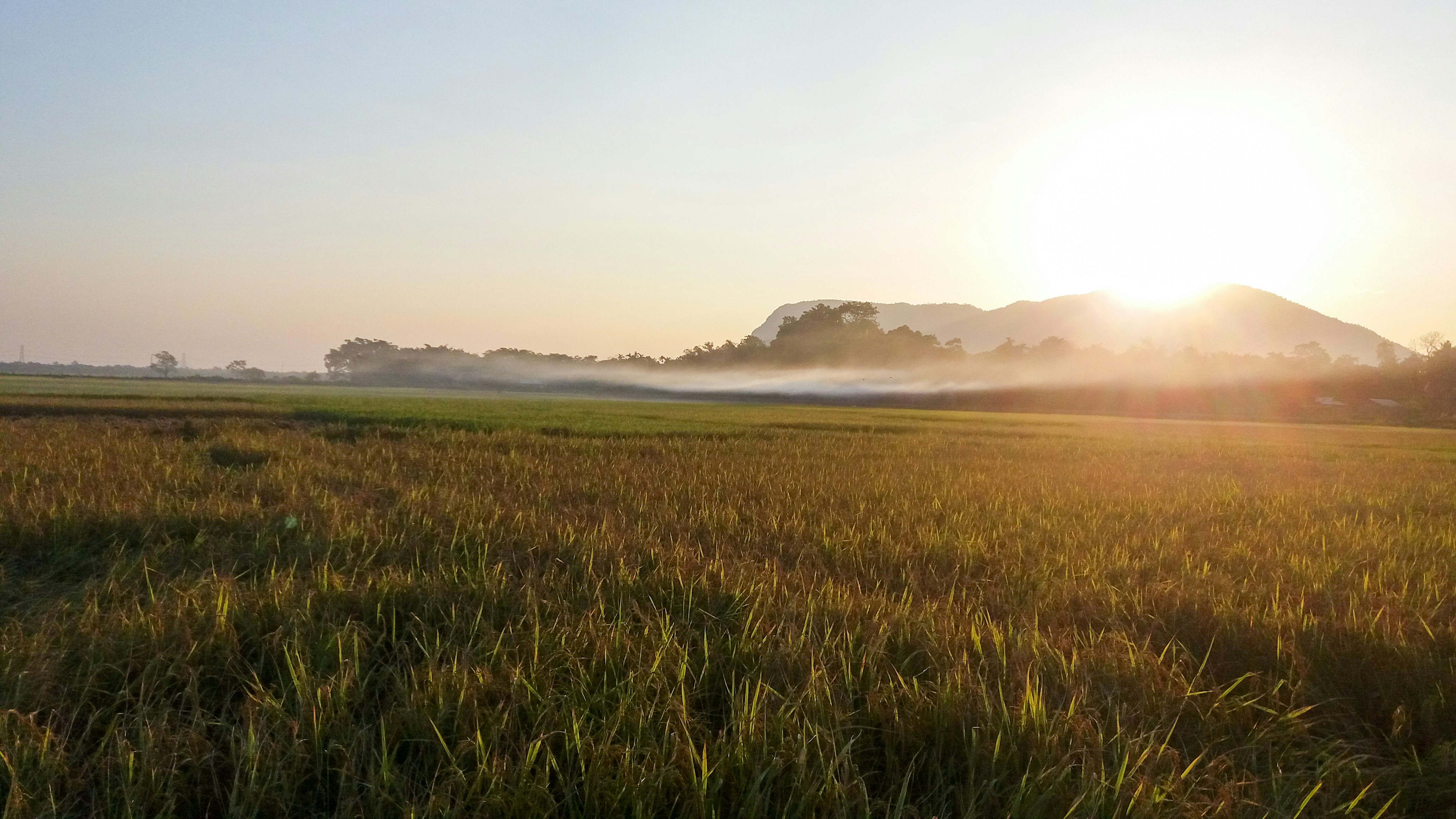
The Quiet Revolution in Indian Fields
Walk through the wheat farms of Punjab today and you'll spot something that would have seemed like science fiction a decade ago: small white sensor stakes poking out of the soil every few rows, transmitting real-time data to a farmer's smartphone. These cheap, solar-powered nodes measure soil moisture, temperature, and nutrient levels - and their data feeds directly into irrigation controllers that open or close valves automatically.
This is precision farming, and it is quietly remaking how India grows food.
From Guesswork to Data-Driven Decisions
Traditional farming in India has always been shaped by experience and intuition - a farmer knowing by feel when soil needs water, or reading cloud formations to time sowing. That knowledge is irreplaceable, but it has a ceiling. With average landholdings under 1.5 hectares, the margin for error is razor thin.
IoT platforms like AgroStar Sense, Fasal, and Stellapps (for dairy) have built sensor networks designed specifically for smallholder conditions: rugged hardware, offline buffering when connectivity drops, and interfaces in regional languages. A cotton farmer in Vidarbha can now get a push notification in Marathi telling him the western quarter of his field needs irrigation tomorrow.
Drones: From Spraying to Mapping
Agricultural drones have crossed the tipping point from novelty to necessity in many parts of India. In 2024, the government's Drone Didi scheme subsidised thousands of drones for farmer self-help groups, particularly for pesticide spraying. But the real unlock is moving from spraying to mapping.
Multispectral drones generate NDVI (Normalized Difference Vegetation Index) maps that show crop stress weeks before it's visible to the naked eye. Early intervention - targeted fertiliser, spot treatment for pest outbreaks - can save 20–30% of a crop that would otherwise be lost.
BharatYantra lists drone sprayers and surveying drones available for rent, making this technology accessible without the ₹5–8 lakh purchase cost.
Smart Irrigation: Water Saved is Money Earned
Agriculture consumes roughly 89% of India's freshwater. Drip irrigation has been promoted for decades, but adoption has been patchy because of upfront costs and the complexity of managing pressure zones across uneven terrain.
New solar-powered pump controllers with GSM connectivity are changing the economics. A farmer can schedule irrigation from their phone, receive alerts if pressure drops (indicating a pipe leak), and track electricity consumption from the pump. Studies in Maharashtra show 35–45% water savings compared to flood irrigation, with yield improvements on crops like sugarcane and grapes.
Challenges That Remain
The path forward isn't without friction:
- Connectivity gaps: 4G penetration in agricultural areas has improved but remains patchy in hilly and tribal regions.
- Data literacy: Visualising sensor data requires a level of digital fluency that many smallholders are still building.
- Fragmented landholdings: Sensor economics improve with larger fields; an aggregator model (where an FPO or co-operative manages devices across many small farms) is emerging as the solution.
- After-sales service: Hardware that breaks and can't be repaired locally quickly destroys trust.
The Road Ahead
India's government has set ambitious targets under the Digital Agriculture Mission: 250 million farmers to have digital identities, a national crop registry, and an interoperable "AgriStack" of data by 2028. If that infrastructure materialises, sensor data from individual farms will connect into a continental-scale dataset that could power AI-driven yield forecasting, crop insurance, and commodity price stabilisation.
The seeds of this future are already in the ground - quite literally. The farmers of Punjab and Vidarbha planting those white sensor stakes today are building the nervous system of the next generation of Indian agriculture.
BharatYantra enables farmers and agribusinesses to rent precision farming equipment - including soil sensors, drone sprayers, and GPS-guided tractors - without the burden of ownership.